
video
Opening the Door to Influence
Ever try to give feedback and feel like you hit a wall? The harder you push, the more they dig in.
That’s not stubbornness — it’s psychology. When people feel their freedom to choose is under threat, they raise a force field. Researchers call it reactance. And when it goes up, your influence drops to zero.
The good news: you can lower it. Not by backing down or giving up, but by changing your approach. In this episode of Leadership Insights that Build Real Trust, Dr. Phillip Shero walks through three concrete steps that reopen the door to influence without compromising your integrity.
If resistance and pushback are costing you trust with your team, let’s talk.
Appreciating Others
What’s the number one thing employees want from their managers and almost never get? Appreciation. Not a raise, not a reward. The simple, direct acknowledgment that what they did mattered.
When appreciation is missing, the costs are real: turnover, disengagement, people doing the minimum, good employees leaving for managers who notice them.
HR research has been consistent on this for decades, and yet the gap persists. Not because leaders don’t care, but because most people think appreciation is something you feel — not something you do. And that assumption is exactly where it breaks down.
Appreciating others is one of 25 leadership competencies in the doing category — the behaviors that show up in daily interactions with your people. In this episode, Dr. Phillip Shero breaks down three concrete practices that turn appreciation from a vague intention into something you can actually build and repeat.
Want to stop losing good people to managers who make them feel seen? Let’s talk.
Leaders are Skilled and Intentional Listeners
Most leaders think their job is to communicate to cast vision, direct their teams, persuade, and motivate. And it is. But the half of communication that gets skipped is listening, and it’s the half that actually builds trust.
In this episode of 10 Leadership Lessons, Dr. Phillip Shero makes the case for why skilled listening is one of the most underrated leadership competencies. You can’t learn what motivates your people while you’re talking. You can’t understand what’s blocking progress. You can’t know what the situation actually looks like from where your employees are standing. Listening isn’t passive—it’s a discipline that requires forethought, intentionality, and patience, especially when you think you already know the answer.If your team doesn’t feel heard, your communication isn’t working—no matter how clear your message is.
If you’re not hearing what’s really going on with your team, let’s talk:
Why Leadership Communication Breaks Down
Two senior managers were on the verge of a blow-up that had the whole office walking on eggshells. What resolved it wasn’t a mediation session or a difficult conversation. It was one page from a DISC report.
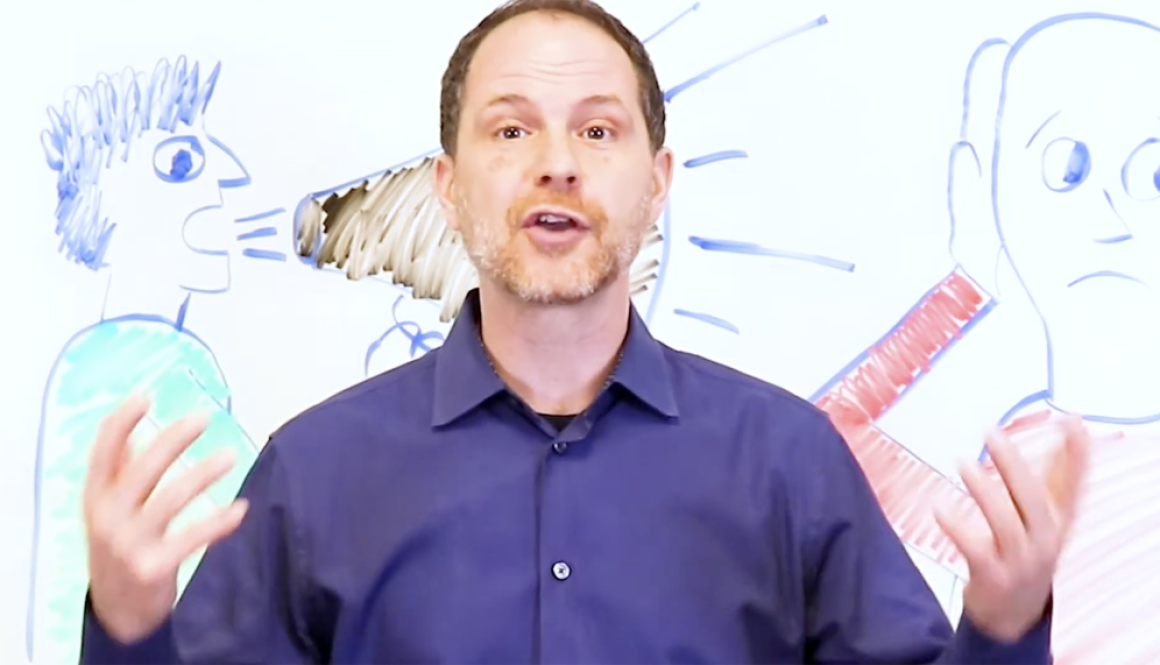
In this episode of Think Like a Leader, Dr. Phillip Shero walks through what happened — and what it reveals about why communication breaks down even when people are competent and well-intentioned. The problem usually isn’t the message. It’s that different communication styles mean the same words land differently depending on who’s receiving them.
DISC gives leaders a practical way to close that gap — before conflict forces the issue. One of our most proactive clients spends 10 minutes every month on this in their team meetings. It builds the kind of trust that doesn’t erode the first time someone asks a pointed question.
If you want to see what DISC could surface about your team’s communication, reach out for a complimentary DISC strategy session.